



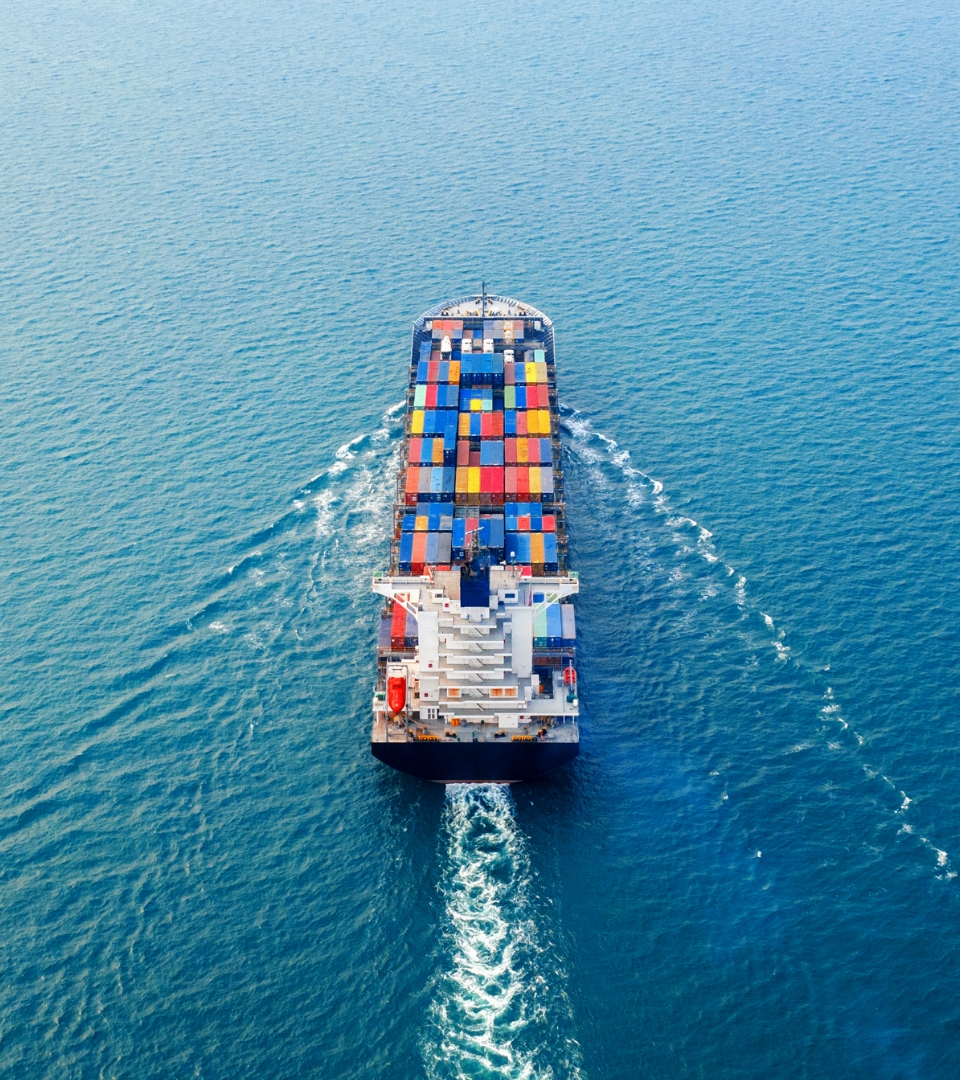
How shipowners can manage biofouling to reduce cost, improve vessel efficiency and progress their sustainability agenda.


The maritime industry loses billions of dollars each year to biofouling – the process in which microorganisms, plants, algae, or small animals accumulate on wet surfaces that have a mechanical function, causing structural or other functional deficiencies. 

An i-Tech study revealed that barnacles can cause an increase in fuel consumption by over 40%. Effective management of biofouling is crucial to ensure vessel performance, reduce environmental impact, and compliance to international regulations. 

Keeping in mind that biofouling can happen within the first few hours a ship enters the water, here are a few ways that shipowners can manage biofouling:

Regular Hull Maintenance & Antifouling Solutions
It’s essential for shipowners to prioritise regular hull cleaning and maintenance to minimise biofouling. While mechanical methods such as scraping, brushing and high-pressure washing can remove accumulated organisms, shipowners can also consider advanced hull coatings with antifouling properties to deter attachment and growth right from the start. Not only that, establishing a biofouling plan and schedule would also ensure that biofouling is regularly assessed and address. This would help in maintaining hull efficiency, reducing fuel consumption and cost.  

Biofouling Risk Assessment and Monitoring 
Speaking of establishing a biofouling plan, shipowners can conduct regular biofouling risk assessments to understand the severity of the issue and identify potential problem areas. Monitoring techniques, such as underwater remotely operated vehicles (ROVs) or specialised sensors, can provide real-time data on biofouling growth and help shipowners make informed decisions early. Through regular monitoring, shipowners are able to pick up trends that are able to give insights as to when and if they should adjust their maintenance schedules, ways to improve coating selection as well as which biofouling management efforts need to be intensified. 

Ballast Water Management 
Ballast water is a significant contributing factor in the introduction of invasive species as it contains a variety of organisms, such as marine and coastal plants and animals from different regions of the world. According to DNV, if these organisms are taken from one place and released in another, some organisms may survive and establish in their new environment. These “non-native species” can have a serious ecological, economic and public health impact on the receiving environment – which is why the IMO implemented its Ballast Water Management (BWM) Convention in 2004. 

While an effective ballast water management system main reason is not to prevent biofouling, it can indirectly contribute to reducing the risk of biofouling by controlling the introduction of non-indigenous species. Installing and operating effective ballast water treatment systems can help remove or neutralise organisms before they are discharged. Through stringent procedures and appropriate technology, shipowners can prevent the spread of invasive species through ballast water.

What Now?
While it is inevitable for biofouling to occur, a comprehensive biofouling plan can help shipowners to optimise vessel performance, reduce operational costs, and minimise environmental impact. It’s imperative for shipowners to adopt in best practices such as regular hull cleaning and maintenance, conducting risk assessments, and implementing effective ballast water management practices so as to manage biofouling and protect their assets in the long run. 

POST SAME CATEGORY
News

[Singapore, 10 March 2026] –Transport Capital, a leading international transportation & energy services group, is pleased to announce the appointment of Marine Hardy as Director, Legal and Compliance. Marine brings extensive legal and compliance experience spanning global transportation, logistics and multinational corporate environments across the Asia-Pacific region. She joins Transport Capital following distinguished leadership roles, where she has […]

Read More…

Read More
News

[Singapore, 02 February 2026] –Transport Capital, a leading international transportation and energy services group, is pleased to announce the appointment of Ronnie Mbatsane as Partner & Head of Africa. Ronnie joins Transport Capital following a distinguished career at Absa Group, one of Africa’s largest financial institutions, where he held senior executive leadership roles across business and commercial banking. […]

Read More…

Read More
News, Insights

Dear Transport Capital community 2024 was a year marked by challenges and successes. As time goes by, it’s easy to overlook all that has happened and the milestones we’ve reached. That’s why we’d like to take this opportunity to revisit the year. Allow us to walk you through the key Transport Capital highlights and milestones […]

Read More…

Read More
News

[Singapore, 29 October 2024] – Transport Capital, a leading international maritime and aviation services group, is pleased to announce the appointment of Michael de Visser as Senior Adviser. With almost three decades of experience in asset finance and capital advisory, Michael brings a wealth of expertise to further strengthen Transport Capital’s strategic capabilities. In his […]

Read More…

Read More